Blog
The Role of High Heat in Creating Authentic Pizza Flavor

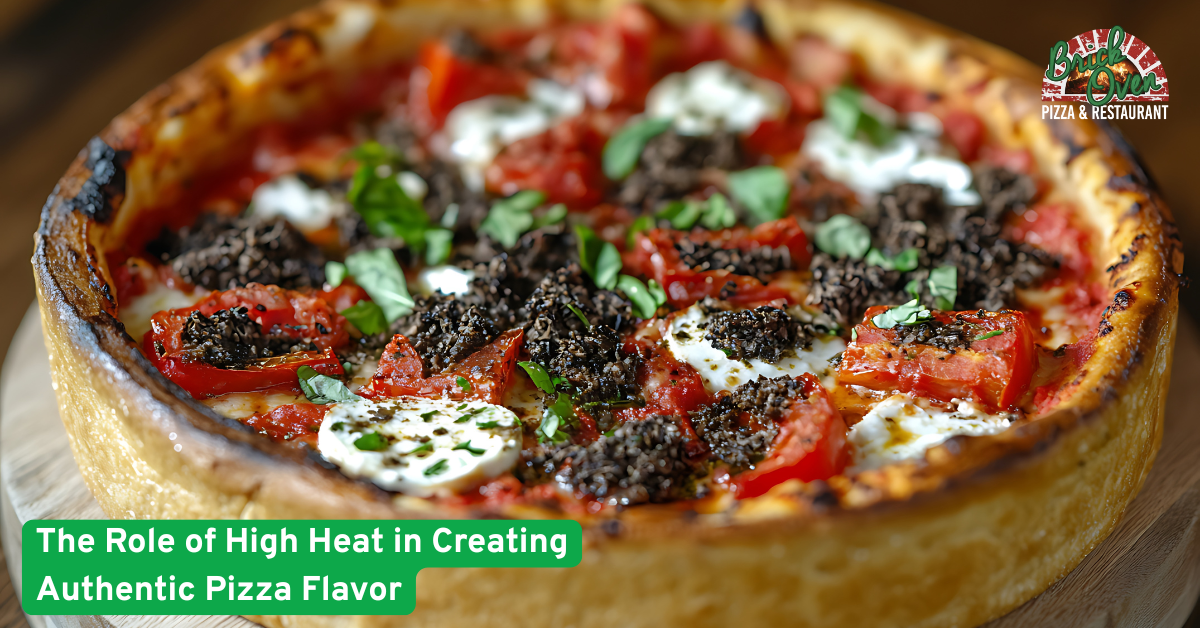
When it comes to truly authentic pizza, one factor stands above the rest: high heat. From the moment pizza dough hits the oven floor to the instant it emerges blistered and aromatic, intense heat plays a critical role in shaping flavor, texture, and overall quality. Traditional pizza making relies on temperatures far hotter than conventional home ovens, and this difference is exactly what separates ordinary pizza from an authentic experience.
Why High Heat Matters in Pizza Making
Authentic pizza is cooked at temperatures ranging from 700°F to over 900°F. These extreme temperatures are not accidental; they are essential. High heat creates rapid cooking that locks in moisture while forming complex flavors on the crust and toppings. The result is a pizza that is crisp on the outside, airy on the inside, and deeply flavorful without being dry or heavy.
Lower temperatures cause pizza to bake slowly, often drying out the dough before proper browning occurs. High heat, on the other hand, creates instant reactions that define classic pizza.
The Science Behind Flavor Development
High heat triggers the Maillard reaction, a chemical process responsible for browning and flavor complexity. This reaction occurs when proteins and sugars interact under intense heat, producing the toasted, nutty, slightly smoky notes found in authentic pizza crust.
At the same time, caramelization of natural sugars in the dough enhances sweetness and depth. These reactions simply do not happen the same way in low-temperature ovens, which is why high-heat pizza tastes richer and more balanced.
Crust Texture: Crisp, Airy, and Light
One of the most noticeable effects of high heat is crust texture. When pizza dough is exposed to intense temperatures:
- The outer layer crisps quickly
- Moisture inside turns to steam
- Air pockets expand rapidly
This process creates a crust that is light and airy inside with a crisp exterior, often featuring signature blistered spots. The fast bake time prevents the crust from becoming dense or chewy in the wrong way, preserving its delicate structure.
How High Heat Enhances Toppings
Authentic pizza toppings are designed to cook quickly. High heat allows:
- Cheese to melt evenly without separating
- Vegetables to soften while retaining freshness
- Meats to cook without drying out
Instead of slow roasting, toppings are flash-cooked, preserving their natural flavors and textures. This balance is essential to authentic pizza, where no single ingredient overpowers the others.
Brick Ovens vs Standard Ovens
Brick and stone ovens are uniquely suited for high-heat cooking. Their thick surfaces retain and radiate heat evenly, allowing pizzas to cook from all sides simultaneously. This consistent heat distribution ensures uniform cooking and enhances flavor development.
In contrast, standard ovens often struggle to exceed 500°F and lack the heat retention needed for authentic results. While modern alternatives exist, traditional high-heat ovens remain the gold standard for pizza craftsmanship.
Authentic Pizza Is About Balance, Not Speed
Although high heat cooks pizza quickly, authenticity is not about rushing. Dough fermentation, ingredient quality, and oven management all matter. High heat simply allows these elements to shine by cooking the pizza at the optimal moment, preserving flavor integrity.
At places like Brick Oven Pizza & Restaurant, high-heat cooking reflects a commitment to traditional techniques that respect both science and craft. The result is pizza that tastes intentional, balanced, and unmistakably authentic.
Why High Heat Defines Authentic Pizza Flavor
Without high heat, pizza loses its soul. The signature char, the airy crust, the perfectly melted cheese, and the deep aroma all depend on intense temperatures working in harmony with quality ingredients. High heat is not a shortcut; it is a requirement for authenticity.
FAQs
1. What temperature is best for authentic pizza?
Authentic pizza is typically cooked between 700°F and 900°F, allowing rapid cooking and optimal flavor development.
2. Why does high heat make pizza taste better?
High heat triggers browning reactions that enhance flavor, create crisp texture, and prevent moisture loss in the dough and toppings.
3. Can home ovens achieve authentic pizza results?
Most home ovens cannot reach traditional pizza temperatures, but pizza stones or steel can help improve results.
4. Does high heat burn pizza?
When managed correctly, high heat cooks pizza quickly without burning, creating controlled charring rather than overcooking.
5. Is high heat only important for the crust?
No. High heat also improves cheese melt, topping balance, and overall texture, contributing to the full pizza experience.